As retirement brings slower rhythms, many seniors embrace feline companionship. A geriatric pet specialist explains how older adults and cats can cultivate mutually comfortable bonds.
Natural Synergies Between Seniors and Cats
- Low-activity requirements: Unlike dogs, cats need no walks—ideal for mobility-limited owners
- Emotional benefits: Purring demonstrates proven calming effects, alleviating loneliness
- Routine reinforcement: Feeding and grooming provide comforting daily structure
However, both aging humans (65+) and senior cats (7+) require special adaptations for optimal coexistence.
Ideal Feline Candidates
Recommended:
✅ Adult/senior cats: Calmer personalities past hyperactive phases
✅ Short-haired breeds: Minimal shedding and easier grooming
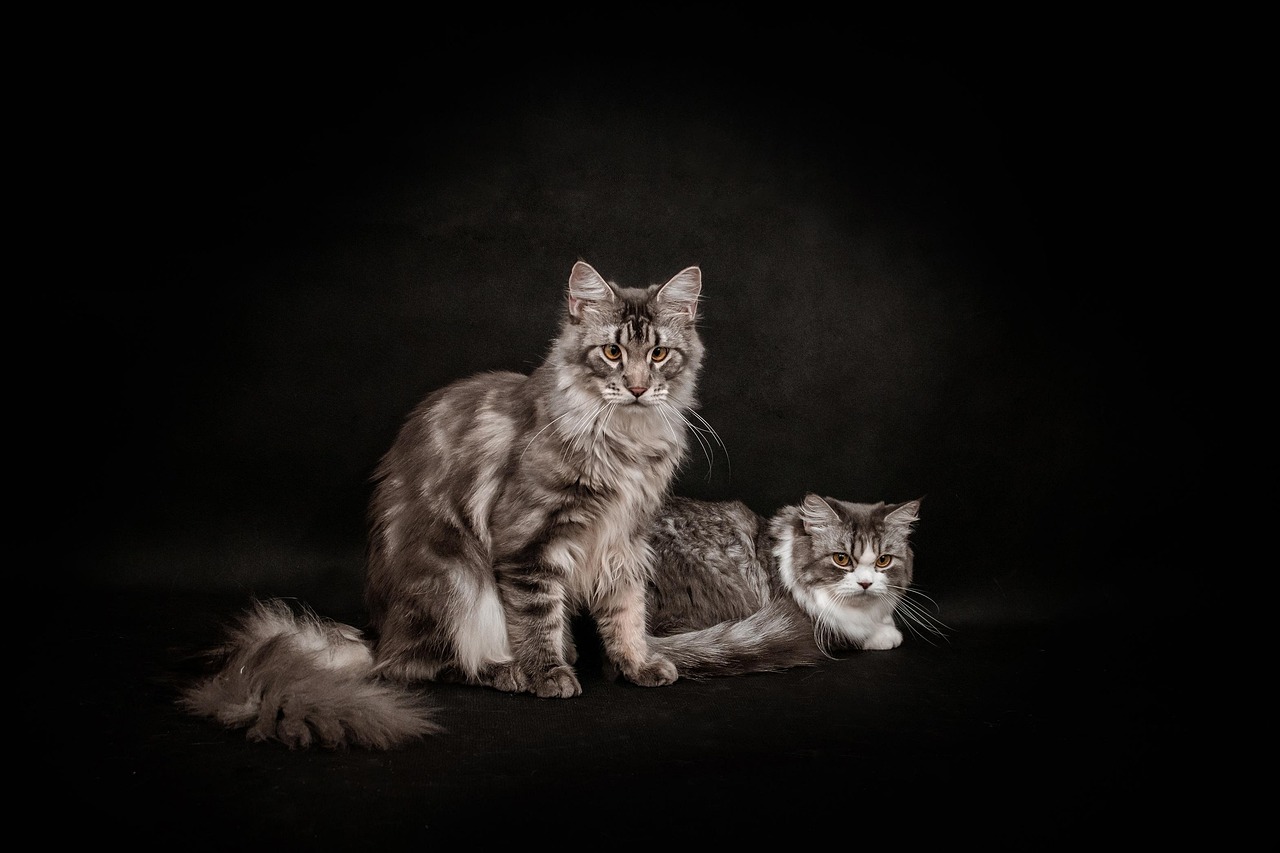
✅ Affectionate types: Lap-loving Ragdolls or Maine Coons suit companionship needs
Caution:
❌ High-energy breeds may overwhelm
❌ Long-haired varieties demand strenuous care
Senior-Friendly Modifications
- Automated feeders/waterers: Ensure consistent care despite memory lapses
- Low-entry litter boxes: Arthritic-friendly access
- Non-slip flooring: Diatom mats prevent slips for pets and owners
Health Synchronization
- Coordinate human and veterinary checkups
- Link medication schedules using smart pillboxes
- Emergency tags should note “senior household” for neighbor assistance
The Art of Slow Bonding
- Daily brushing sessions combine care with connection
- Shared sunbathing at window seats
- Soft verbal exchanges build trust through tone recognition
Conclusion: Graceful Aging Together
Feline companionship transcends pet ownership—it’s mutual life enrichment. Through adaptive environments, health awareness and tender rituals, seniors and cats can share fulfilling golden years, proving that love needs no expiration date.