In the realm of Japanese cuisine, Wagyu beef stands as a “culinary masterpiece.” A head chef with thirty years of experience unveils the complete system, from selection to preparation, allowing us to deeply understand the luxurious essence of Wagyu.
Chapter 1: The Mystery of Marbling – Decoding the BMS Grading System
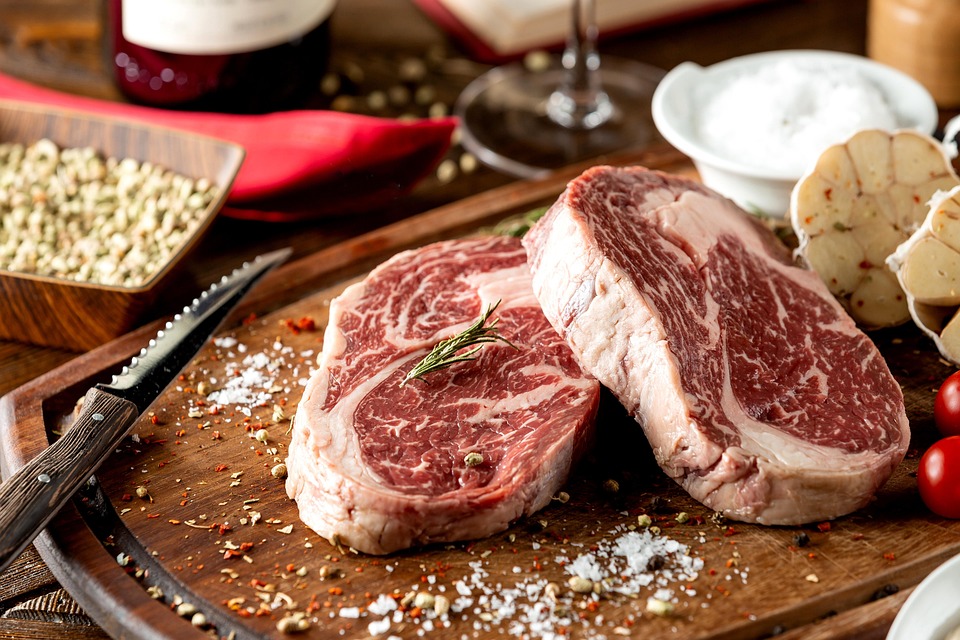
The most distinctive feature of Wagyu is its snow-like fat marbling, known as sashi (サシ) in Japanese. The Japan Meat Grading Association evaluates this marbling through the Beef Marbling Standard (BMS), which ranges from 1 to 12—the higher the number, the finer and more evenly distributed the fat.
Key Grading Standards
- BMS 1-3: Commercial grade, minimal visible marbling (ideal for shabu-shabu)
- BMS 4-6: Premium restaurant grade, fine web-like marbling (perfect for sukiyaki)
- BMS 7-9: High-end culinary grade, fat evenly dispersed like snowflakes (best for teppanyaki)
- BMS 10-12: Ultra-premium rarity, pink flesh with intricate marbling (recommended for tataki or charcoal grilling)
Pitfall Alert: Beware of artificially enhanced “fake marbling.” Authentic high-grade Wagyu fat melts at low temperatures, appearing semi-translucent at room temperature.
Chapter 2: The Philosophy of Cuts – From Sirloin to Zabuton
Different cuts offer vastly distinct textures and cooking methods. The chef recommends three supreme selections:
1. Ribeye – The Perfect Balance of Fat and Flavor
- Traits: Signature fat “eye” at the center, releasing rich, buttery notes when chewed
- Best Preparation: 1.5cm-thick cuts, charcoal-grilled to medium-rare, paired with sea salt and fresh wasabi
2. Tenderloin – The Velvety Aristocrat
- Traits: The least-worked muscle, yielding a texture as smooth as velvet
- Innovative Dish: Sous-vide at 52°C for 2 hours, finished with truffle jus
3. Zabuton (Chuck Flap) – The Connoisseur’s Secret
- Traits: Diamond-shaped cut near the shoulder, combining marbling with springy texture
- Chef’s Special: Paper-thin slices, lightly swished in broth for 3 seconds, dipped in ponzu
Hidden Gems:
- Misuji (Shoulder Clod): Requires 3-day advance booking; chewy yet tender due to intricate marbling
- Offal Delicacy: Honeycomb tripe (mino), slow-braised into a collagen-rich stew
Chapter 3: Precision Cooking – From Blue to Well-Done
Wagyu demands temperature control as precise as kaiseki cuisine—a 1°C deviation alters the experience entirely.
The Goldilocks Zone for Doneness
| Doneness | Core Temp | Ideal Cut | Texture Profile |
|---|---|---|---|
| Blue | 45°C | Tenderloin | Cool, sashimi-like center |
| Rare | 50°C | Sirloin | Charred crust, silky interior |
| Medium | 55°C | Ribeye | Fat partially melted |
| Medium-Well | 60°C | Flat Iron | Residual juiciness |
Cardinal Sins:
- Flash-freezing destroys fat crystals (use vacuum-sealed冷藏 thawing at -2°C)
- High heat causes muscle fibers to contract violently (teppanyaki requires 200°C preheat, then off-heat cooking)
Chapter 4: Advanced Pairing Principles
The Beverage Pyramid
- Beginner: Chilled Junmai Daiginjo sake (acidity cuts through fat)
- Intermediate: Bordeaux Right Bank Merlot (soft tannins complement meat)
- Ultimate: Yamazaki 18-Year Whisky (caramel finish mirrors Wagyu’s richness)
Seasoning Trinity
- Purist: Himalayan pink salt + fresh wasabi
- Japanese Fusion: Yuzu kosho + egg yolk sauce
- Western Twist: Black truffle salt + aged balsamic
Chapter 5: Authenticity Check – 5 Ways to Spot Fake Wagyu
- Certification: Genuine Wagyu bears a Japan Meat Grading Association laser seal.
- Rebound Test: Flesh should spring back within 3 seconds of finger pressure.
- Aroma: Premium Wagyu emits a milky fragrance, never a gamy odor.
- Melting Point: Fat begins dissolving at 35°C (artificial fat requires higher heat).
- Bloodline: Purebred Wagyu must trace lineage to designated strains like Tajima or Fujioka.
Finale: The Omakase Experience
For a full sensory journey, follow this sequence:
- Start with lean tataki (e.g., Chateaubriand cut).
- Progress to rare charcoal-grilled cuts (e.g., kame no ko).
- Highlight with a thick BMS 8+ ribeye.
- Conclude with Wagyu chazuke (tea-rice soup using hot pot broth).
Like kaiseki’s “once-in-a-lifetime” philosophy, appreciating premium Wagyu demands engagement of sight, touch, smell, and taste. When the rosy meat and ivory fat waltz across the teppan, that’s culinary artistry at its peak.